Discreet protection engineering: Inside the anatomy of our Kevlar-reinforced, bulletproof solid wood entry systems.
Experience the ultimate peace of mind without sacrificing the beauty and warmth of natural wood with our expertly crafted bulletproof entrance doors. We understand that security is paramount, but it shouldn’t come at the expense of aesthetic appeal. That’s why we’ve meticulously designed these doors to offer discreet ballistic protection while maintaining the timeless elegance of traditional wood craftsmanship.
Architectural armored doors: A single solid wood slab engineered with a hidden Kevlar layer for premium, uncompromised home security.
Key Features and Benefits:
Discreet Ballistic Protection:Our doors are engineered with strategically placed layers of high-performance Kevlar, seamlessly integrated within the solid wood construction. This provides robust bullet resistance without compromising the door’s natural beauty or appearance.
Premium Craftsmanship: Each door is handcrafted by skilled artisans using the finest quality solid wood. We pay meticulous attention to detail, ensuring flawless joinery, smooth finishes, and a level of craftsmanship that elevates your home’s entrance.
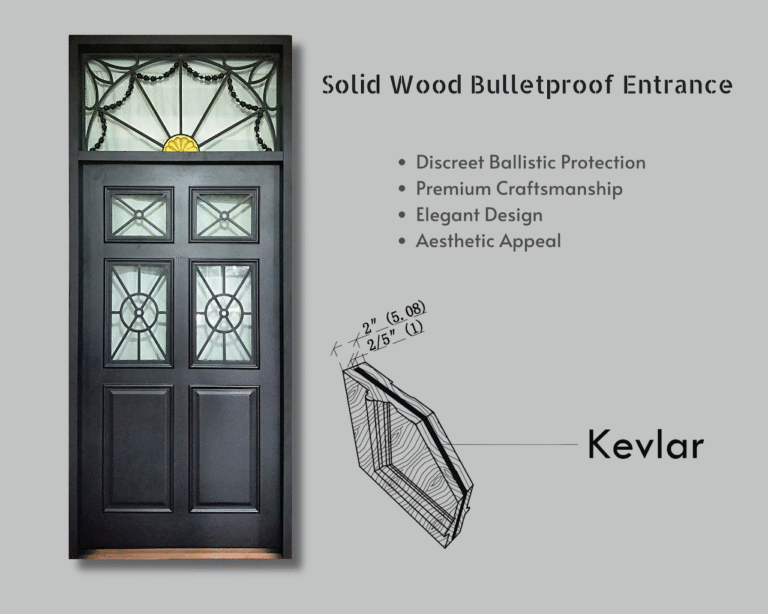
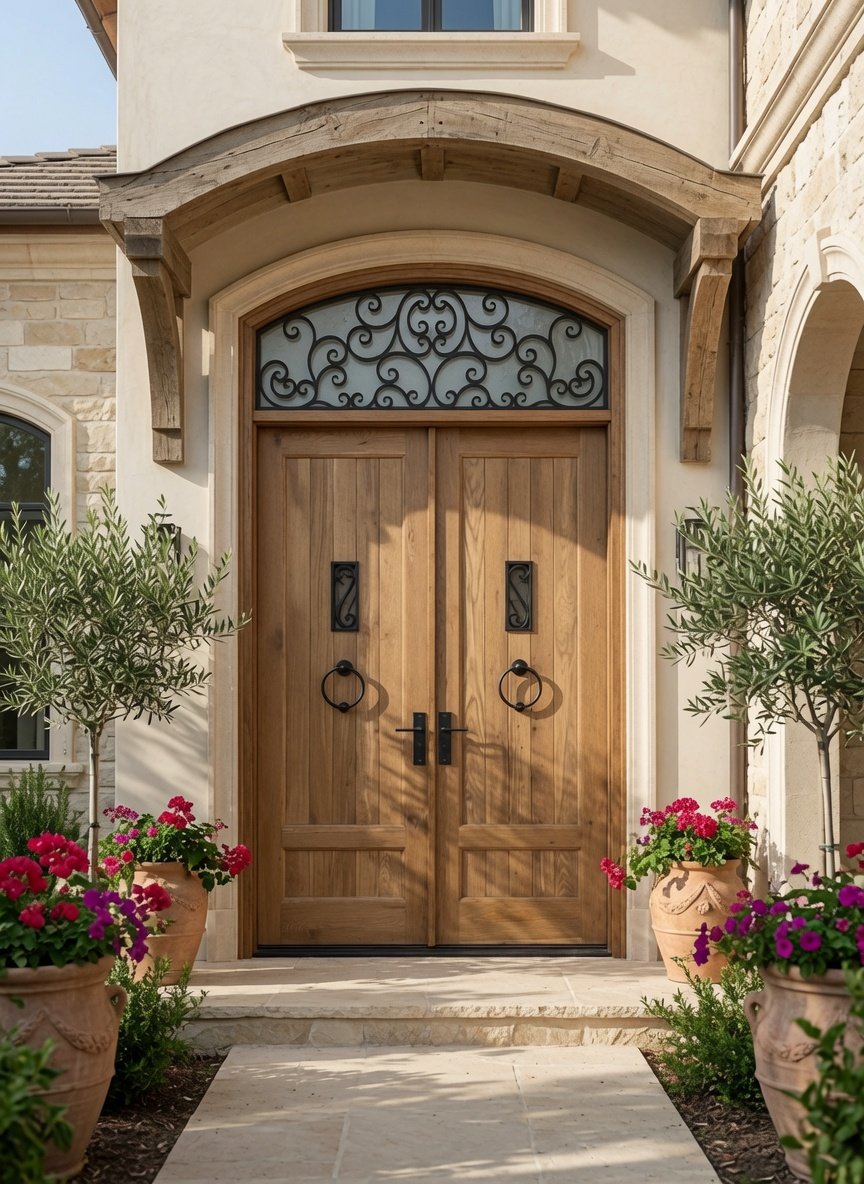
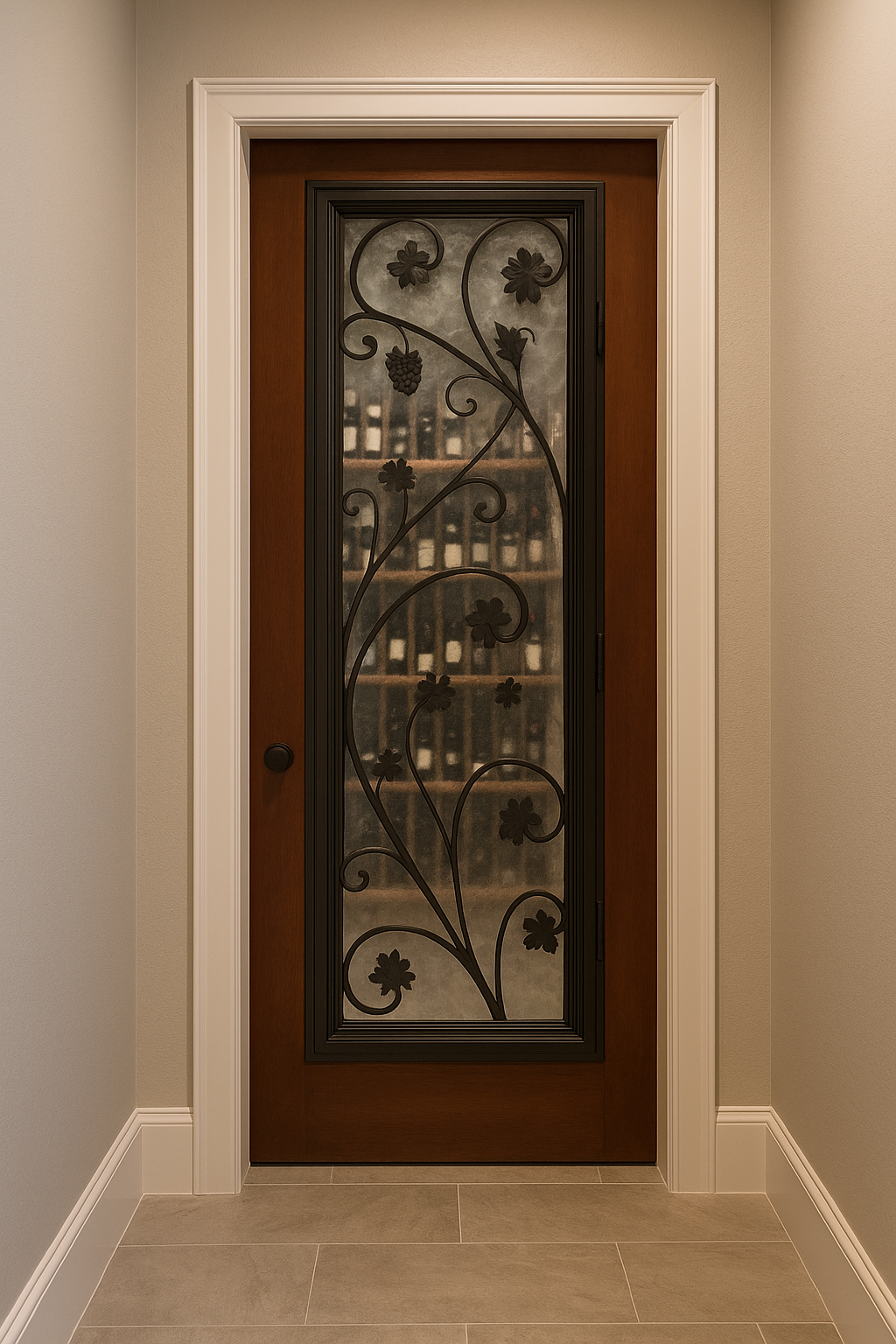
Elegant Design: Our bulletproof doors are designed to complement a variety of architectural styles, from traditional to contemporary. The classic panel design, intricate detailing (if applicable, like the stained glass shown), and rich wood finishes create a welcoming and sophisticated entrance.
Aesthetic Appeal: Unlike bulky, industrial-looking security doors, our bulletproof wood doors maintain the natural warmth and beauty of wood. They enhance your home’s curb appeal while providing an unparalleled level of security.
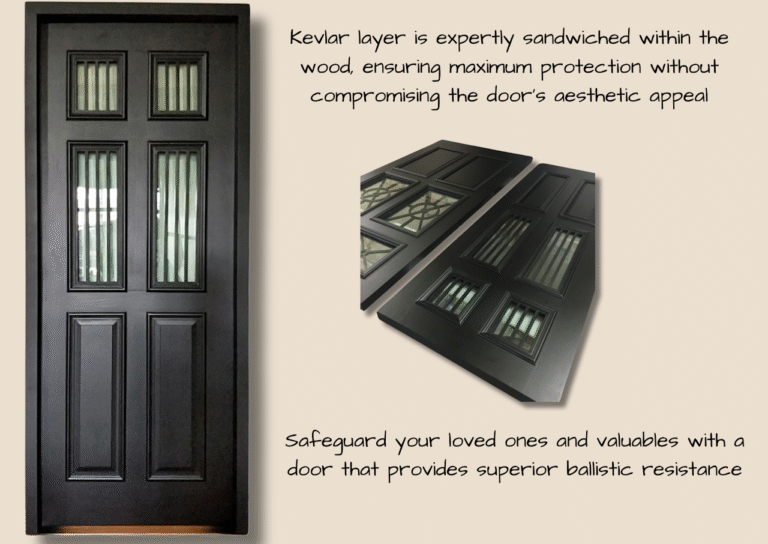
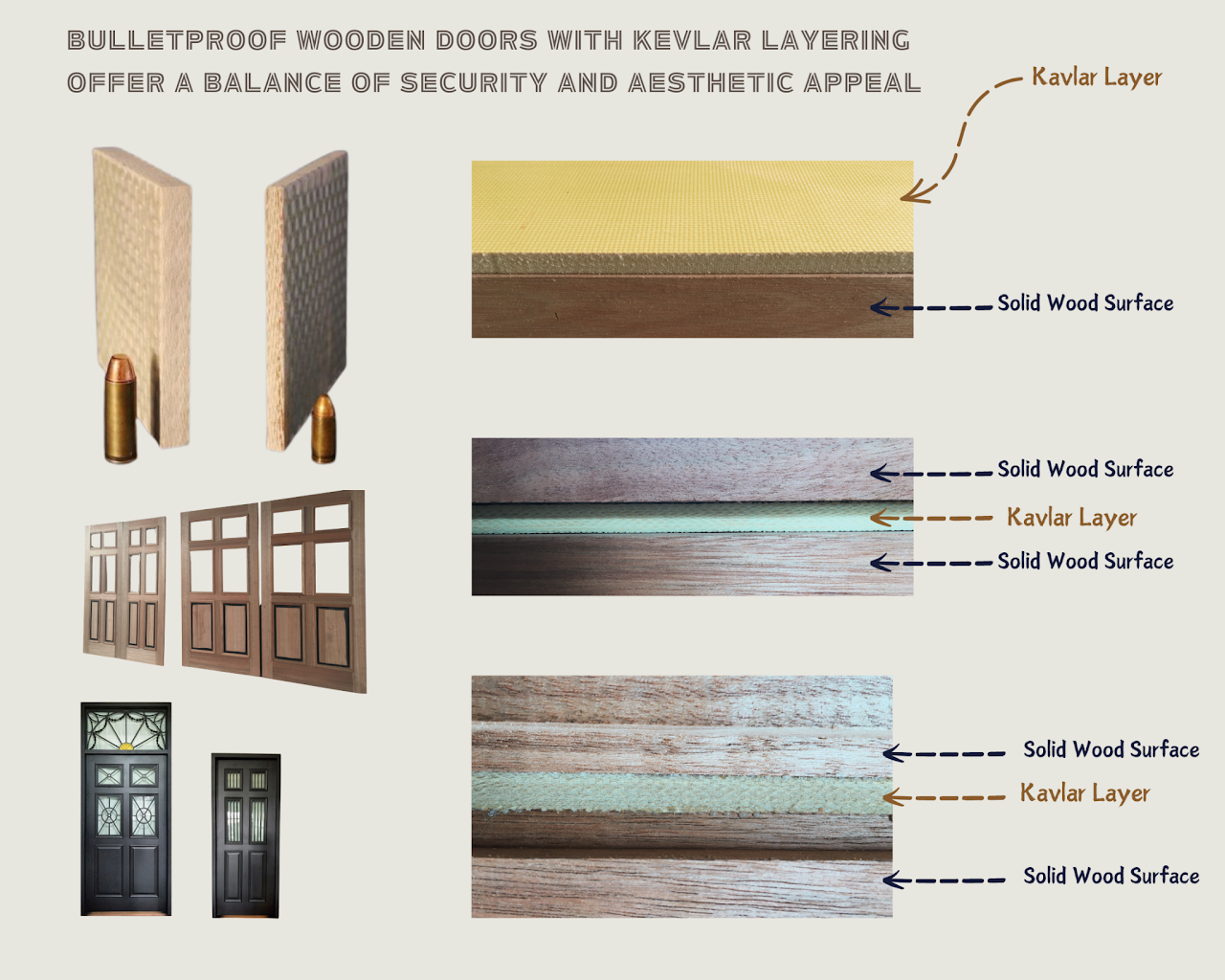
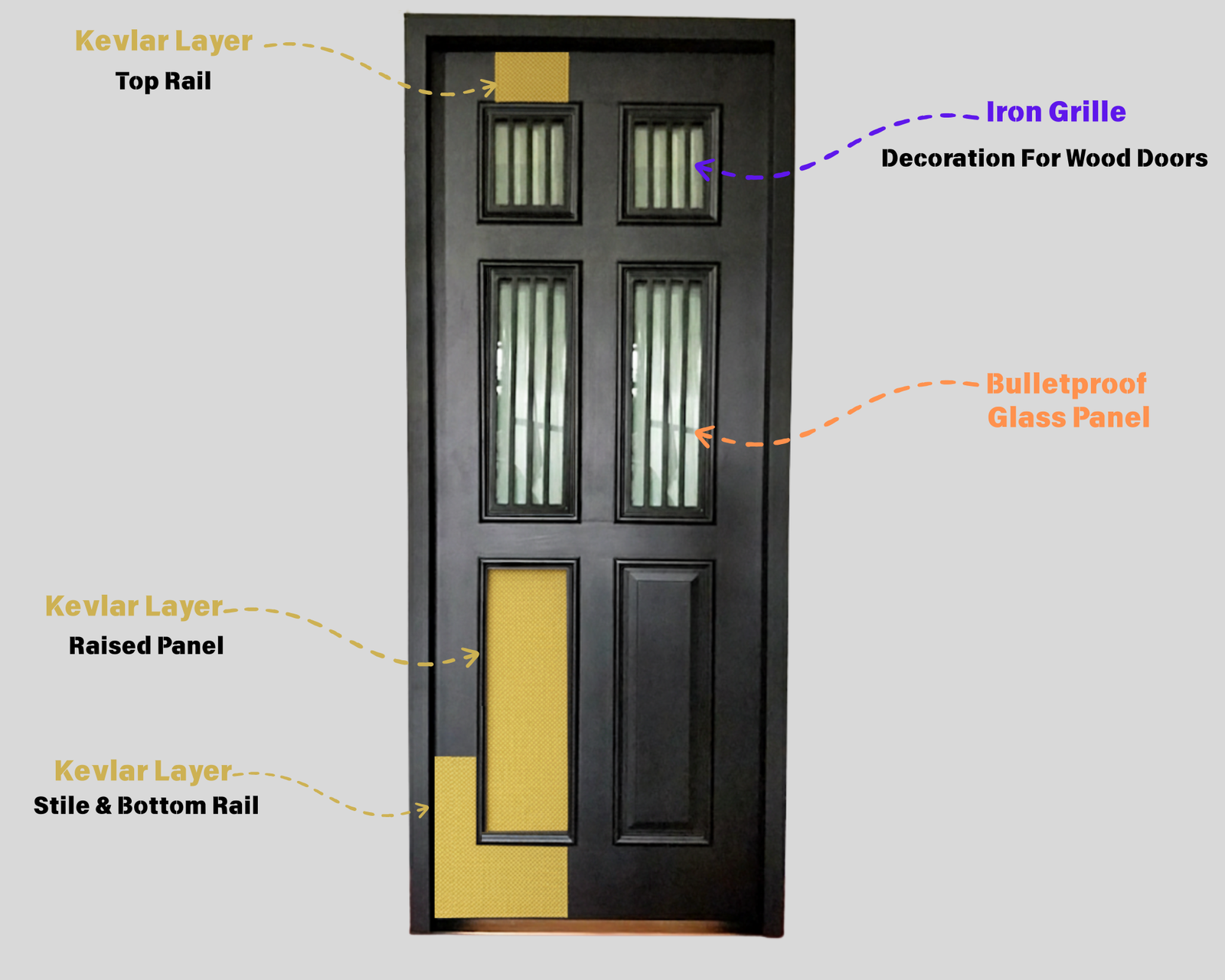
Kevlar Layering: The core of our ballistic protection lies in the strategically placed Kevlar layers. As the image illustrates, these layers are sandwiched within the wood structure, providing robust resistance against a range of ballistic threats.
Peace of Mind: With our bulletproof wood doors, you can rest assured knowing that your home and loved ones are protected without compromising on aesthetics.
Advanced Kevlar Layering Technology:Doors incorporate multiple layers of high-strength Kevlar strategically placed within the solid wood structure. This layered approach provides robust ballistic resistance, effectively stopping projectiles while maintaining the door’s structural integrity.
Discreet and Seamless Integration: The Kevlar layers are expertly sandwiched between solid wood layers, making them virtually undetectable. This ensures that your doors retain their elegant appearance, blending seamlessly with your home’s architectural style.
Balance of Security and Aesthetics: Highlights the harmonious blend of security and beauty. You can see the raw materials – the wood and Kevlar – as well as the finished doors, showcasing how the protective technology is seamlessly integrated into a visually appealing product.
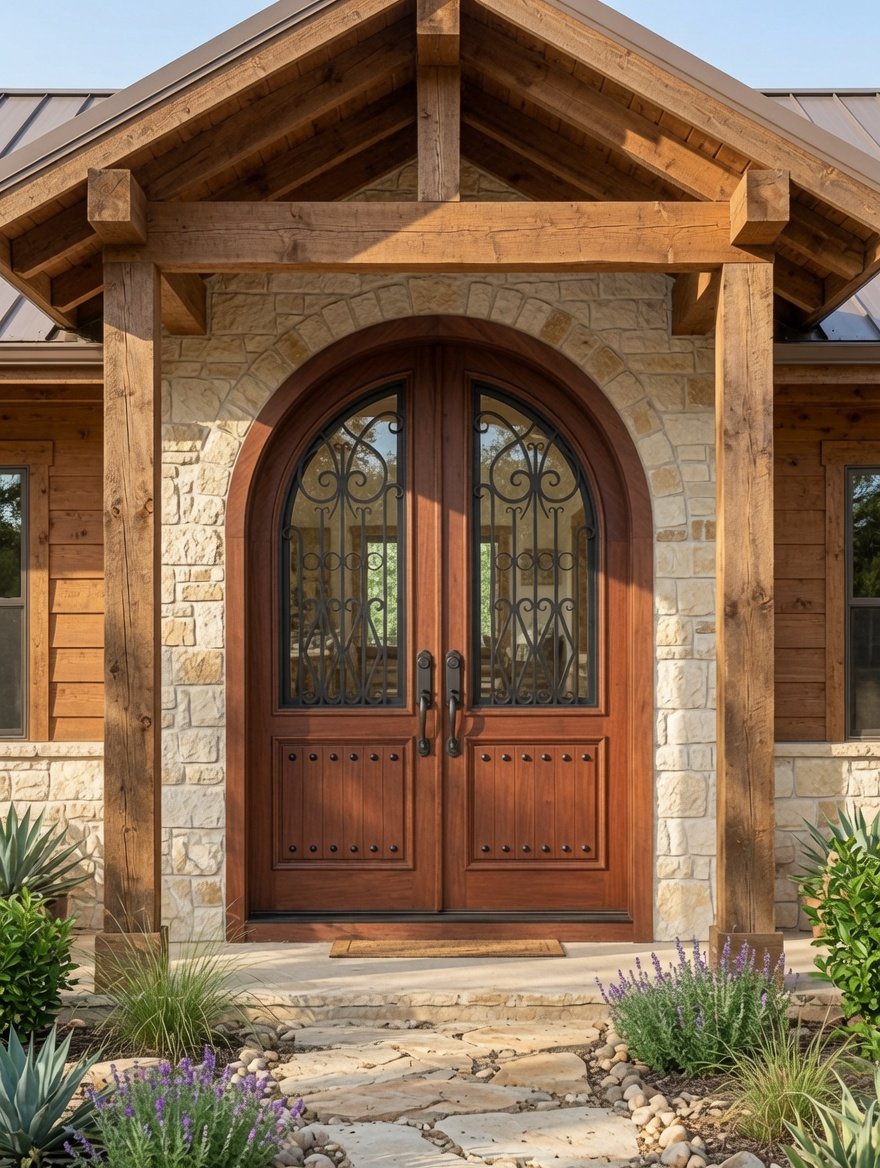
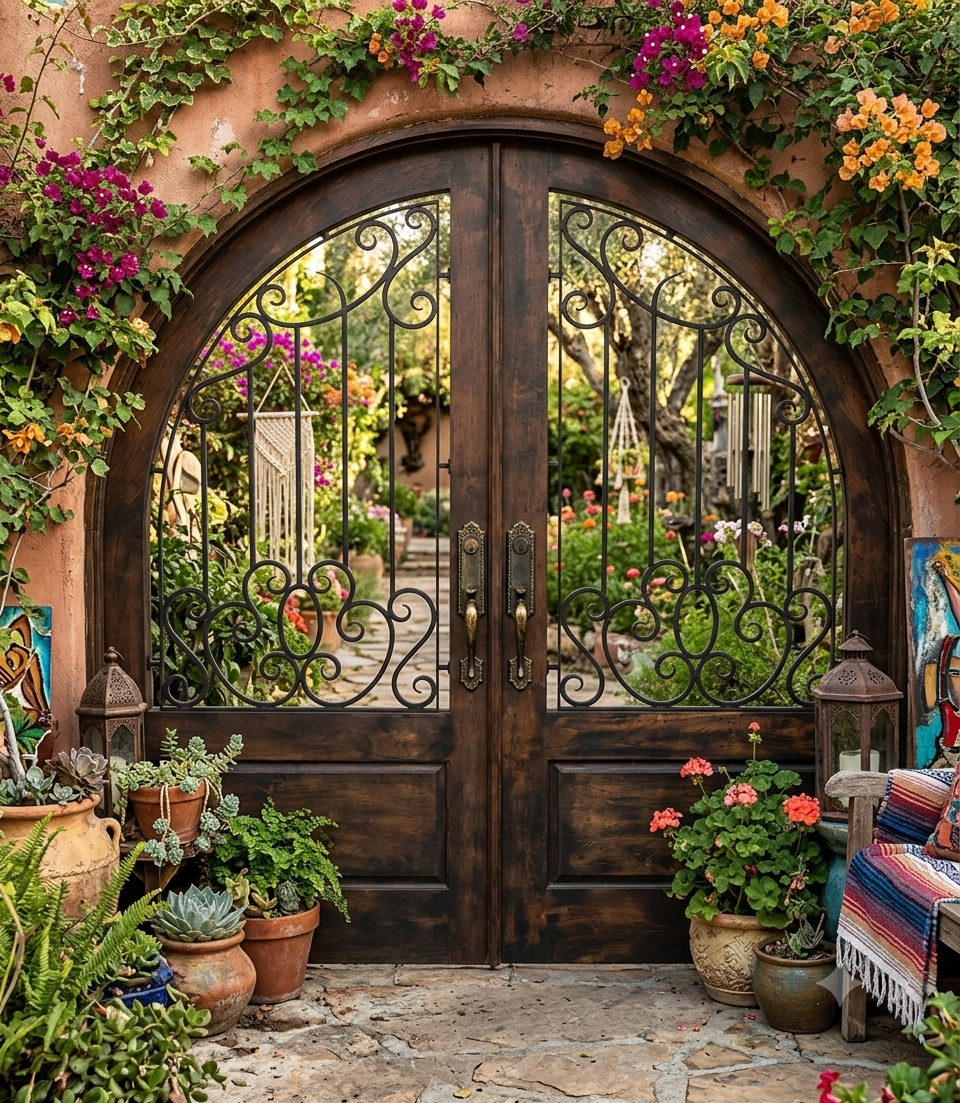
Multiple Door Styles and Designs: Versatility of our bulletproof doors, showcasing a range of styles and designs from classic panel doors to more modern and decorative options. We offer customization to match your specific preferences and architectural requirements.
Visual Representation of Ballistic Protection: The bullet impact illustration provides a clear visual representation of the door’s protective capabilities. It shows how the Kevlar layering effectively stops a projectile, demonstrating the robustness of our ballistic protection.
Premium Solid Wood Construction: We use only the finest quality solid wood, ensuring durability, longevity, and a timeless aesthetic appeal. The natural beauty of the wood grain, highlighting the superior craftsmanship of our doors.
Customization Options:We offer a wide range of customization options, including wood species, finishes, panel designs, hardware choices, and ballistic rating levels, allowing you to create a truly personalized and secure entrance.
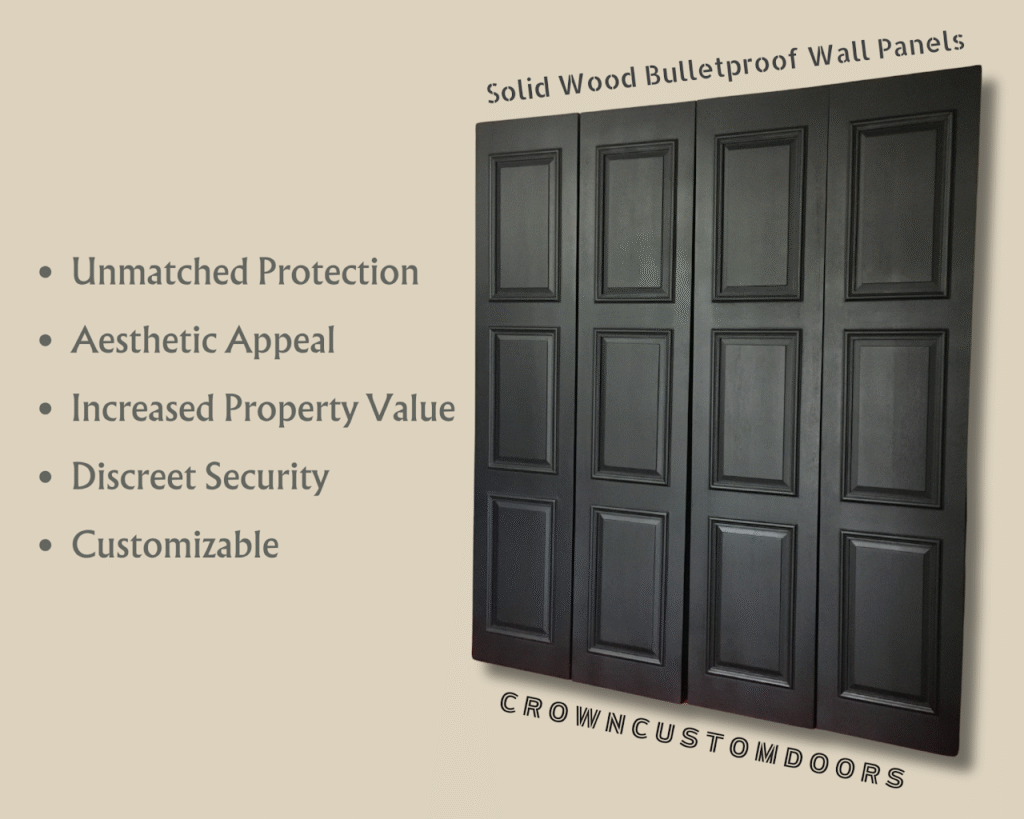
Architectural ballistic defense: Custom Kevlar-reinforced solid wood wall panels that blend seamlessly into luxury executive suites and private safe rooms.
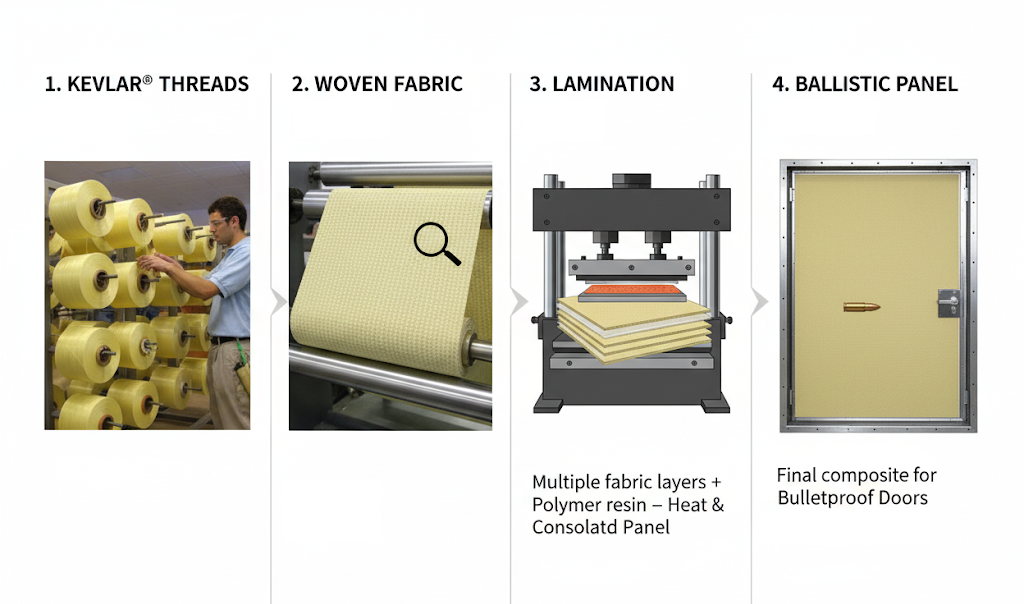
The science of stealth defense: Our step-by-step manufacturing process transforming raw Kevlar® threads into multi-layered ballistic door panels.
Kevlar is a synthetic fiber developed by DuPont in 1965. It belongs to a family of fibers called aramids (aromatic polyamides). Kevlar is famous for being:
Extremely strong (about 5 times stronger than steel on an equal weight basis).
Lightweight (much lighter than steel or glass).
Heat-resistant (does not melt, and only starts decomposing above 450°C).
Impact-resistant (absorbs and disperses energy very efficiently).
Because of these properties, Kevlar is widely used in bulletproof vests, helmets, aerospace, and automotive reinforcement.
Kevlar in Bulletproof Applications
Kevlar on its own is a fabric-like material. To make it bullet-resistant, it is:
Woven into layers of fabric – multiple sheets are stacked to absorb energy.
Laminated with resins or films – to bond layers and keep structural rigidity.
Sandwiched with other materials – like glass, polycarbonate, or even wood for architectural uses.
When a bullet hits Kevlar:
The fibers stretch instead of breaking, spreading the force over a large area.
The layered structure absorbs energy, slowing down and stopping the projectile.
Unlike glass, Kevlar doesn’t shatter, so it reduces flying debris.
Laminated Kevlar for Doors
When Kevlar is combined with wood or other decorative materials, you get a beautiful, natural finish with hidden ballistic protection. This is often called laminated Kevlar panels or Kevlar-reinforced wood.
Wood + Kevlar Core: The door looks like a normal luxury wood door but has a Kevlar shield inside.
Advantages:
Lighter than steel-core bulletproof doors.
More discreet (customers won’t see the “security” but feel safe).
Keeps the elegance of fine wood design.
Resistant to both firearms and forced entry.
Custom Options: Can be combined with bulletproof glass inserts to create hybrid designs.
Automotive Armor – Kevlar layers added in cars for lighter protection vs steel.
Bulletproof Doors & Walls – Laminated Kevlar inside wood or paneling for embassies, luxury homes, and secure facilities.
Uncompromising protection disguised as elegant craftsmanship. We integrate certified Kevlar layers inside our custom wood doors to deliver military-grade ballistic defense for luxury secure estates.
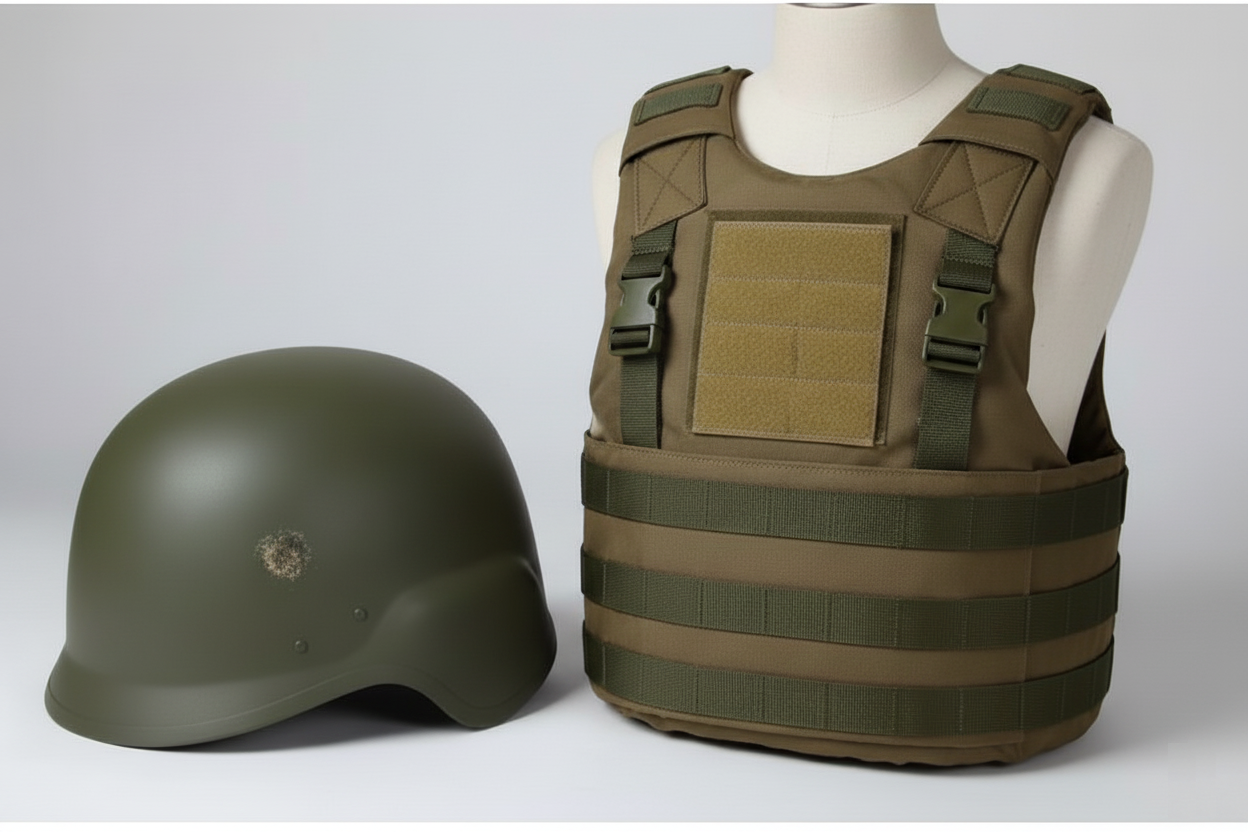
We Build Our Doors with the Same Kevlar Found in Ballistic Vests and Helmets.
The ultimate measure of ballistic protection is its effectiveness under fire. That is why CROWNCUSTOMDOORS chooses Kevlar for the core of our bulletproof wood doors.
The helmet and vest you see are the gold standard of personal protection, utilized by military and tactical forces worldwide. These life-saving products rely on multiple layers of high-tenacity Kevlar fiber—a material renowned for its incredible strength-to-weight ratio and ability to absorb and dissipate extreme impact energy. Just as these layers stop fragmentation and high-velocity rounds to protect a soldier, our multi-layered Kevlar panels are engineered to provide an impenetrable barrier within your door.
Uncompromising armor, seamless beauty: A detailed look at our internal Kevlar® layering process engineered for high-security residential entry doors.
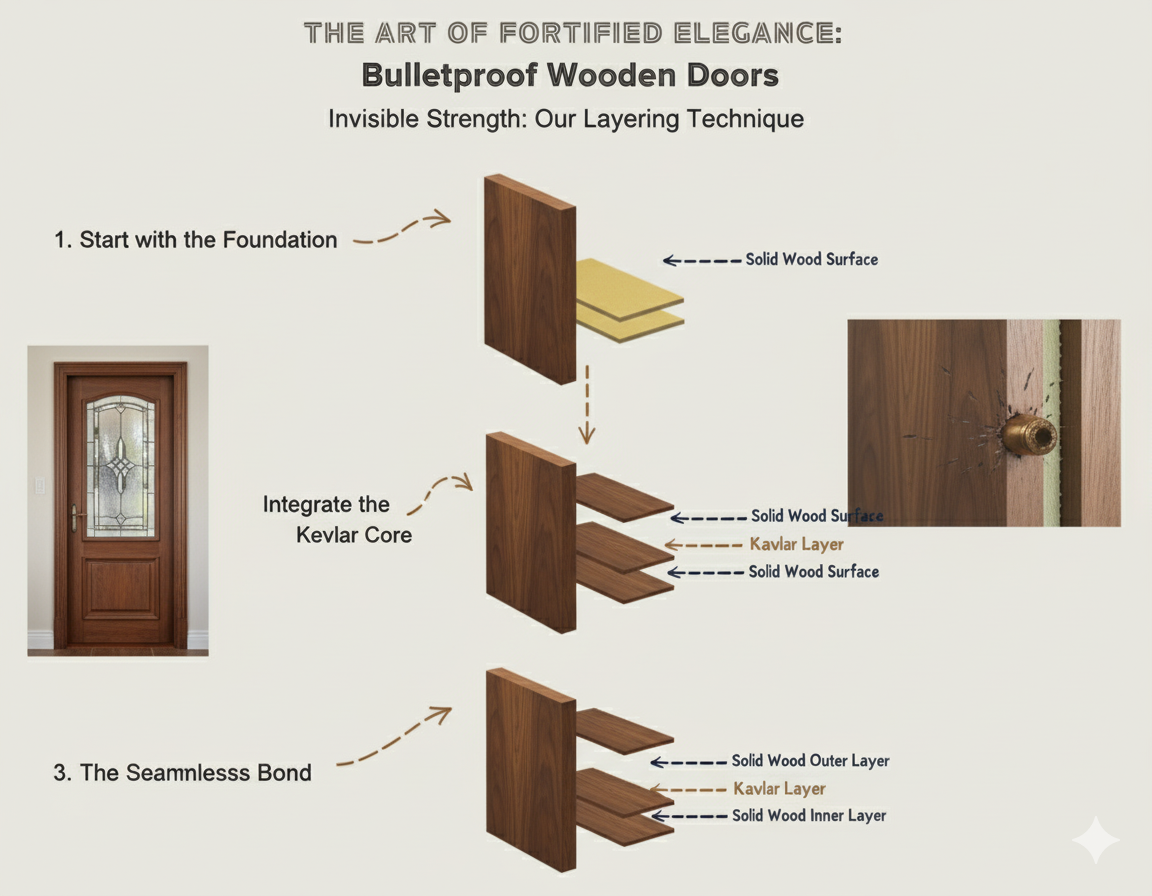
The Art of Fortified Elegance: Our Kevlar-Layered Wooden Doors
At CROWNCUSTOMDOORS, we believe that true security shouldn’t compromise on style. Our bulletproof wooden doors with integrated Kevlar layering represent the pinnacle of this philosophy, offering an unparalleled balance of protection and aesthetic appeal.
Invisible Strength: How We Sandwich Kevlar into Wood
The secret to our doors’ formidable strength lies in our innovative construction process, where high-performance Kevlar is seamlessly integrated within layers of premium solid wood. This isn’t just about adding a layer; it’s about crafting a cohesive, fortified panel that stands guard without revealing its powerful core.
Invisible strength engineering: A step-by-step breakdown of our custom lamination technique embedding a bulletproof Kevlar® core inside a luxury hardwood door panel.
Here’s a closer look at our meticulous layering technique:
The Inner Core – A Shield of Kevlar: We start with a robust panel of solid wood, carefully selected for its durability and natural beauty. Into this, we embed a precisely cut layer of Kevlar. This advanced material, renowned for its incredible tensile strength and bullet-resistant properties, becomes the invisible shield at the heart of your door.
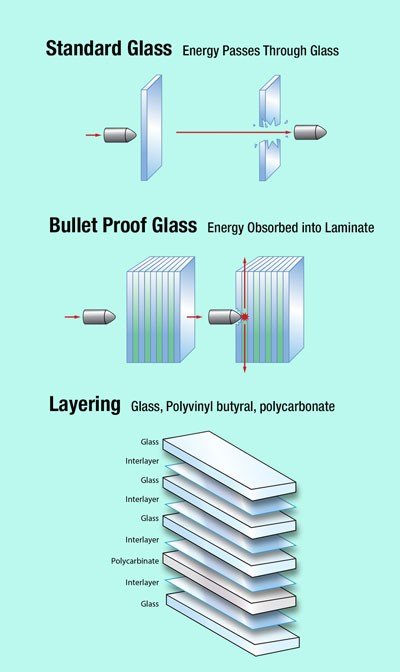
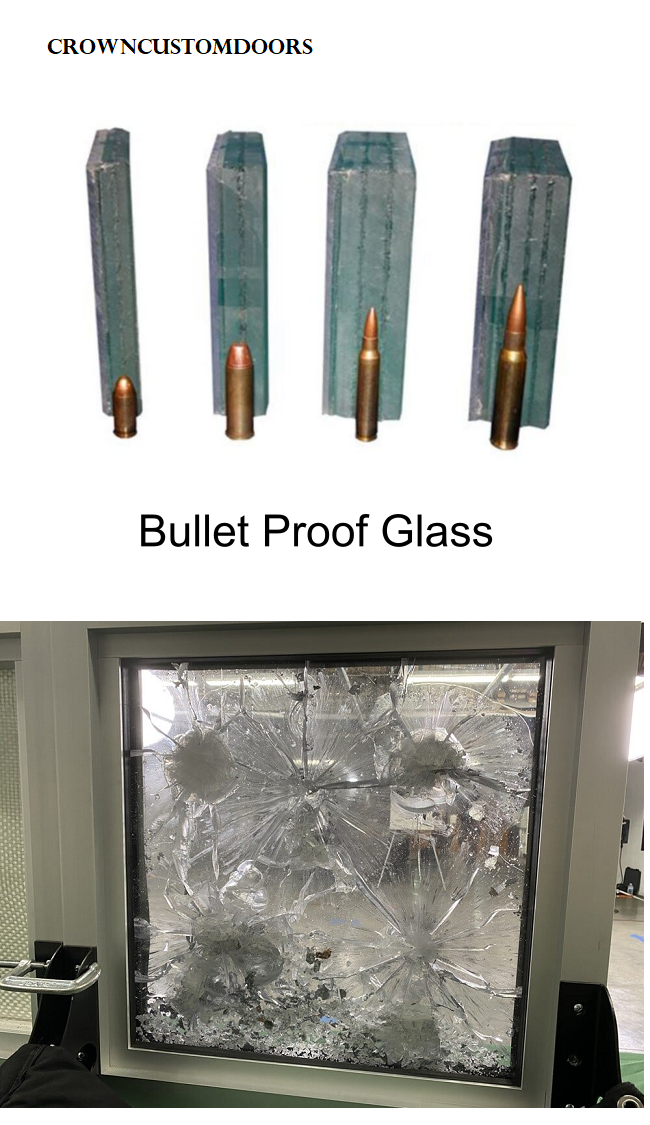
Unyielding vision panels: A technical breakdown of how our bulletproof glass configurations absorb and disperse ballistic kinetic energy through multi-layer laminate technology.
Bulletproof Glass: Strength Behind Transparency
What is Bulletproof Glass? Bulletproof glass—more accurately called ballistic-resistant glass—is a high-security material designed to stop or slow down bullets, preventing penetration while still allowing clear visibility. Unlike ordinary glass, it’s engineered to withstand extreme impact, making it essential for protecting people and property without sacrificing openness or design.
How Does It Work? Bulletproof glass isn’t a single piece of hardened glass. It’s actually a laminated structure, typically made by layering:
Glass layers – to provide rigidity and transparency.
Polycarbonate or plastic layers – to absorb and disperse the bullet’s kinetic energy.
When a bullet strikes, the outer glass layer may crack, but the polycarbonate absorbs the impact, preventing the projectile from passing through. The more layers and thickness, the higher the protection level.
Certified protection under fire: Visualizing our multi-tiered bulletproof glass thickness levels and successful real-world impact testing.
Types of Bulletproof Glass
Laminated Glass – Layers of glass and plastic sheets bonded under heat and pressure.
Polycarbonate Glass – Thicker, lightweight, and impact-resistant, often used for higher levels of protection.
Acrylic Glass – Cost-effective, lightweight, and often used for lower-level ballistic resistance.
Military & Government Buildings – Entryways, observation points, and secured offices.
Luxury Homes & Custom Doors – Discreet protection for residents who want safety without compromising design.
Vehicles – Armored cars, presidential convoys, and cash-in-transit vans.
Commercial Spaces – Jewelry stores, pharmacies, and high-value retail.
Benefits of Bulletproof Glass
Security Without Sacrifice – Strong protection while remaining transparent and elegant.
Customizable – Available in different thicknesses, sizes, and security levels.
Durable & Long-Lasting – Resistant not just to bullets, but also to forced entry and extreme weather.
Peace of Mind – Provides safety for families, employees, and assets.
✨ In short: bulletproof glass is where safety meets sophistication. It’s a blend of science, security, and design, making it a key choice for modern architecture, luxury doors, and high-security environments.
Invisible fortification: An exploded technical view showing the seamless lamination of bulletproof Kevlar® composites inside traditional solid wood paneling.
Visual Representation of Ballistic Protection: The bullet impact illustration provides a clear visual representation of the door’s protective capabilities. It shows how the Kevlar layering effectively stops a projectile, demonstrating the robustness of our ballistic protection.
Premium Solid Wood Construction: We use only the finest quality solid wood, ensuring durability, longevity, and a timeless aesthetic appeal. The natural beauty of the wood grain, highlighting the superior craftsmanship of our doors.
Customization Options:We offer a wide range of customization options, including wood species, finishes, panel designs, hardware choices, and ballistic rating levels, allowing you to create a truly personalized and secure entrance.
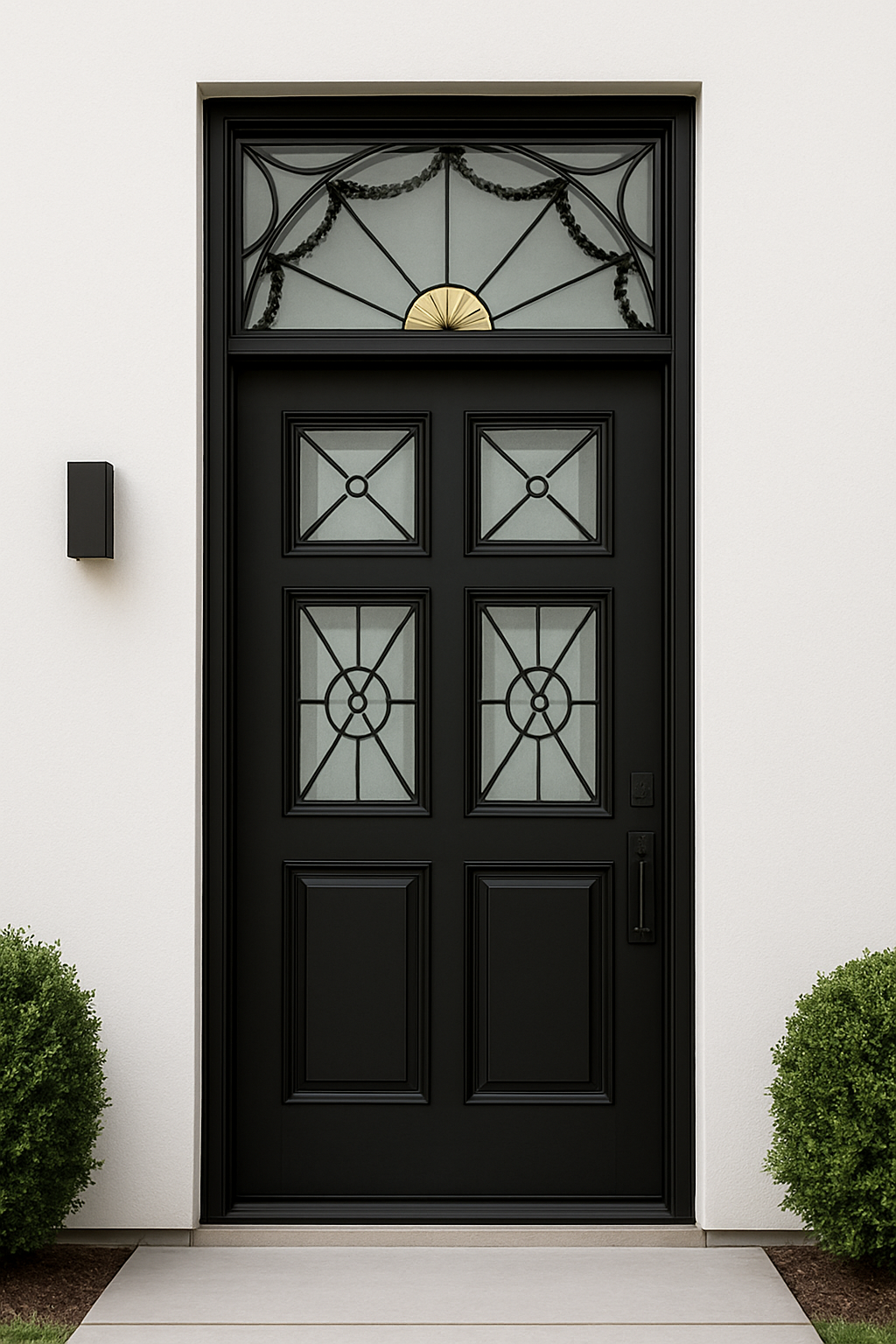
Uncompromising protection, elegant design: A matte black custom security entrance engineered with internal bulletproof layering and a classic architectural transom.
Fortified Elegance: The Ultimate Security Entrance
Your home’s entrance is more than just a gateway—it’s the first statement of your style and the last line of your defense. At CROWNCUSTOMDOORS, we’ve engineered a door that requires zero compromise, seamlessly blending unyielding ballistic security with exquisite, handcrafted luxury.
This is not merely a door; it is a Fortified Masterpiece.
Invisible Protection: The Kevlar Advantage
The secret to this door’s strength lies in its core. We utilize our signature Kevlar Sandwich Layering technology, embedding high-tensile, ballistic-grade Kevlar between layers of beautiful, durable solid wood.
Unrivaled Security: The Kevlar core provides a formidable, tested barrier against ballistic threats, offering you peace of mind without a visible sign of its power.
The Seamless Bond: We use a proprietary process to bond the Kevlar and wood under intense pressure, ensuring the panel remains dimensionally stable, weatherproof, and discreetly fortified.
A Solid Foundation: The exterior is crafted from premium hardwood, guaranteeing a luxurious look, structural longevity, and the authentic feel of a high-end entry door.
Where Art Meets Armor: Hand-Forged Details
True luxury is in the details. The visual artistry of this door is achieved through elements meticulously crafted to complement the superior security beneath.
Ballistic-Grade Glass: The elegant glass panels are not just for light; they feature bulletproof, multi-layered glazing. This specialized glass offers the highest clarity while resisting high-velocity impact, ensuring your views and safety are both protected.
Hand-Forged Iron Grille: The striking, intricate hand-forged iron grille is a testament to timeless craftsmanship. Each curve and line is individually shaped by a skilled artisan, adding a layer of architectural beauty and traditional defense that perfectly frames the glass.
The Architectural Presence: Finished in a deep, commanding black, this entrance features classic applied moulding and a stunning transom with a decorative garland and sunburst detail. It elevates your home’s façade from a simple entrance to a grand, statement-making focal point.
Experience Security Without Sacrifice.
This door is engineered for the modern homeowner who demands the best of both worlds: uncompromising security hidden within an object of enduring beauty.
Ready to secure your home with a door that makes a statement?
Contact Us today for a consultation and to discuss your custom bulletproof wood door needs.